

Oversized Parcel Surcharge Audit During Peak Season
Carriers apply oversized surcharges automatically the moment any single dimension crosses their threshold—length, width, or height. A package measuring 48.5 inches on one side triggers the fee even when the carrier's limit is 48 inches, and even when the box moves through the network without special handling. An oversized parcel surcharge audit catches these errors before they compound across hundreds of shipments. The charge appears on your invoice whether or not the parcel actually required oversized processing.
During November and December, high invoice volumes create ideal conditions for billing errors to slip through. Shipping centers process thousands of charges weekly, and dimension verification falls by the wayside when the priority is keeping packages moving. Misclassifications during these two months alone account for a measurable portion of annual parcel spend—enough to fund equipment upgrades or offset fuel surcharge increases.
The refund window closes in mid-January for most carriers. Disputes filed after the deadline are rejected, regardless of merit. Systematic auditing before year-end recovers hundreds of dollars per account by catching dimension errors while they remain eligible for correction. Every package flagged as oversized deserves a second look against your actual measurements and the carrier's published limits.
Carrier Dimension Standards and Oversized Parcel Surcharge Audit
Every major carrier applies oversized surcharges when package dimensions cross specific thresholds, but the formulas vary by carrier. Understanding these limits is the first step in auditing your invoices for dimension-based surcharges.
FedEx applies an oversize surcharge when length plus girth exceeds 130 inches, or when the longest single side exceeds 70 inches. Girth is calculated as 2× width + 2× height, measured around the package's thickest point perpendicular to the length. This calculation trips up many shippers because boxes that look normal can still breach the limit when you add all four measurements together.
UPS uses nearly identical thresholds: an oversize fee triggers when length plus girth surpasses 130 inches, or when any single dimension exceeds 70 inches. The girth formula is the same—two times the width plus two times the height—so a box measuring 48 × 20 × 20 inches has a girth of 80 inches and a total of 128 inches, staying just under the limit.
USPS Priority Mail Express does not impose oversize fees, but Priority Mail adds a surcharge at 30 × 30 × 30 cubic inches. Amazon Logistics sets a standard-parcel limit at 18 × 14 × 8 inches; exceeding any dimension costs between $0.80 and $2.50 per unit. Knowing these carrier-specific rules lets you verify whether a surcharge on your invoice reflects actual package measurements or a carrier misclassification worth disputing.
Documenting Package Dimensions
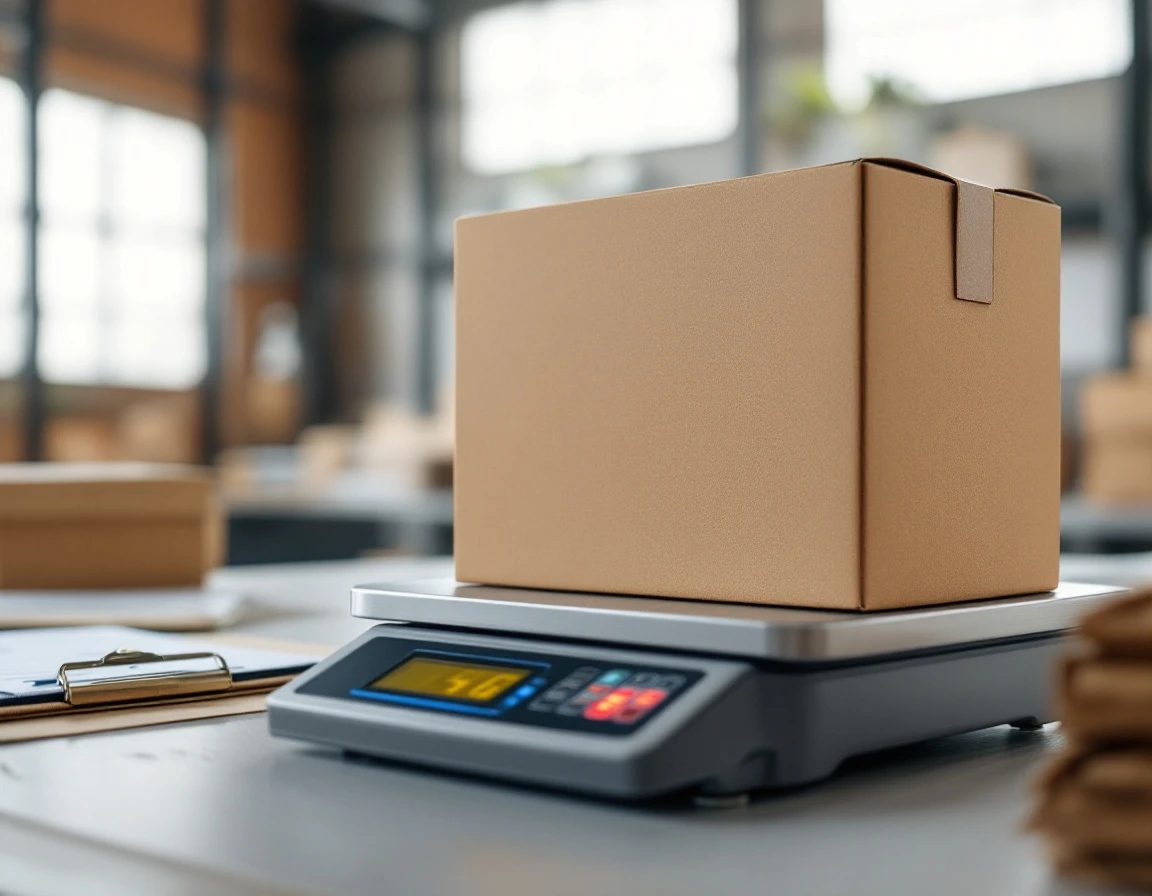
Carriers will reject any dispute that lacks photographic proof of in-spec package oversize charge compliance. When you file a dimensional-weight or oversized-surcharge claim, the carrier's billing team demands clear evidence that your package fell within published thresholds — and without it, the dispute is denied automatically. This makes pre-shipment documentation the foundation of every successful refund recovery.
Start by measuring all three dimensions — length, width, and depth — at each package's widest point, then round up to the nearest half-inch. That rounding rule matters: carriers measure the same way, and any discrepancy gives billing teams grounds to dismiss your claim. Photograph every package with a ruler or measuring tape visible in the frame, positioned so the measurement and the tracking label appear in the same shot.
Record each measurement in a searchable database linked to the corresponding tracking number before the package leaves your facility. Waiting until invoices arrive weeks later means scrambling to reconstruct dimensions for packages already delivered, damaged, or recycled. Capture packing dates and dimensional data in real time to establish a defensible audit trail that proves compliance when carriers bill incorrectly. A simple spreadsheet with columns for tracking number, date, length, width, depth, and photo file name gives you the proof you need to recover every dollar of erroneous surcharges.

Extracting and Cross-Checking Invoice Data
FedEx and UPS both offer invoice download portals where you can export billing records as CSV files. USPS and Amazon Logistics require direct invoice requests through your account representative or shipper dashboard. Once you have the files, filter by surcharge type to isolate oversize fees—this gives you a focused list of tracking numbers that triggered dimensional penalties.
Cross-reference each invoice tracking number against your dimensional database. Pull up the recorded measurements and photos for the flagged packages. The goal is to find packages marked oversize on the carrier invoice but that measure within specification in your records. Most recoverable billing errors emerge at this exact point: the carrier system dimension differs from your shipper measurement. And your proof becomes the basis for dispute.
PatrolPuffin automates this cross-check by matching invoice line items to manifest records and flagging discrepancies in real time—no manual spreadsheet reconciliation required.
Common Dimension Classification Errors
The most frequent billing error occurs when the carrier scans a package barcode but skips the physical dimension verification. If the package weight exceeds a carrier-configured threshold, the system defaults to an oversized classification even when the actual box—say, a 28 × 24 × 8 inch carton—measures well under UPS's 70-inch-per-side limit. That single misclassification adds an oversized surcharge to an in-spec package.
Girth calculation mistakes surface when carriers round measurements or capture incorrect dimensions during automated sorting. A box measuring 16 × 12 × 10 inches has a girth of 54 inches, yet a mis-scan recording it as 16 × 13 × 10 pushes girth to 56 inches and triggers a surcharge. Rounding protocols differ across carrier hubs, creating inconsistent classifications for identical SKUs.
Duplicate surcharges appear when billing systems apply both length-based and weight-based oversize fees to the same package. Legacy SKU codes compound the problem: packaging teams may reduce box dimensions months ago, but outdated shipper profiles still flag those SKUs as oversized. Recognizing these four error types during your audit shows exactly which surcharges are recoverable and builds confidence in the dispute process.
Building and Filing Dispute Claims
Once you've identified a billing discrepancy, you need to compile carrier-ready evidence and submit it through the correct channel. Gather the tracking number, invoice line item, your documented measurement (with photo timestamp), the carrier-stated dimension that triggered the surcharge, photo evidence, and your girth calculation showing in-spec status. Carriers require this level of detail to process a refund.
Use the carrier-specific dispute portal—FedEx and UPS each maintain dedicated overcharge claim systems with 30- to 60-day review windows. Your dispute letter should reference the published tariff language that defines when a surcharge applies, then prove your package does not meet that condition. For example: "Per FedEx Tariff [section], dimensional surcharge applies only when length + girth exceeds 130 inches. Our documented measurement is 126 inches, in compliance with published limits. We request immediate credit." The more precise your citation, the faster the review.
File before December 31 for November and December peak shipments. Carriers impose hard deadlines—often January 15 for charges incurred in the prior year—and January disputes face extended review or outright rejection due to volume. If you wait until the invoice cycle closes in February, you've lost the recovery window for holiday parcel oversize fees dispute resolution.
Recovery Timeline and Next Steps
File disputes immediately after identifying each billing error. Most carriers credit approved refunds within 30 to 60 days of dispute submission, which means errors flagged in November or December should appear as credits on invoices by February at the latest. Record every dispute ticket number and the date submitted. If no credit appears within the carrier's published service-level agreement, escalate through your account representative with the original dispute documentation and tracking reference.
Apply recovered credits to Q1 2027 invoices or request direct account credit before peak season closes. Many carriers will roll credits forward automatically, but verifying the application prevents lost money in year-end reconciliation. Track your recovery rate—total disputed dollars divided by credited dollars—to measure audit effectiveness and refine your process for next season.
Build a perpetual audit schedule for the 2027 holiday season. This framework should repeat quarterly, with heightened frequency during November and December when invoice volumes and error rates peak. Download a simple tracking template that logs package IDs, surcharge types, dispute dates, and credit status. PatrolPuffin automates this entire reconciliation cycle, flagging misclassifications the day they appear and filing dispute-ready claims on your behalf.