

Why July 2024 USPS Changes Matter
On July 12, 2024, USPS raised postage rates across every service level — Priority Mail, Ground Advantage, and First-Class Package Service all saw increases. The USPS rate increase impact on shipping costs persists nearly two years later because rate transitions create billing system errors. And most small-to-mid-market shippers never reconcile their USPS invoices line by line.
When carriers update rate tables, metering systems, manifest software, and third-party billing platforms don't always sync cleanly. The result: packages billed at the wrong zone, weight tier, or service level. A $2 overcharge on every twentieth package becomes $200 monthly at modest volume. Most operators don't catch it until months later — if ever.
USPS disputes follow a 30-day window from the invoice date. Miss that, and the overcharge stays. If you shipped heavy volume between July and September 2024 and never audited those invoices against the new rate card, recoverable money is still sitting there — but the clock to file is ticking.
Step-by-Step Invoice Audit Framework
Start by exporting all shipment data from your third-party shipping software for July 2024. Split the file into two date ranges: July 1–12 (before the rate increase) and July 13–31 (after the hike). This separation matters because a package shipped on July 11 should be billed at the old rate, while an identical shipment on July 14 carries the new pricing — and billing systems often apply the wrong rate card across the transition.
Next, pull the official USPS July 2024 rate card and cross-reference each invoice line item. Check three fields: service type, zone, and weight. A First-Class Package weighing 8 ounces to Zone 5 has a specific published rate — if your invoice shows a higher charge, you've found an overcharge. The most common errors are service-level misclassifications (First-Class billed as Priority Mail), incorrect zone assignments (Zone 4 package charged at Zone 7), and weight rounding that adds an extra ounce tier.
Here's a real pattern: Invoice line shows "Priority Mail" with tracking confirmation that First-Class Package Service was actually used. The billing rate charged exceeds what USPS posted for that service tier and delivery zone during July 2024. When auditing shipping invoices for USPS overspend, this mismatch between billed service and delivered service appears repeatedly across billing records from the rate-increase period.
Document every discrepancy with four data points: invoice number, tracking ID, billed amount, and correct amount. This creates the paper trail USPS requires for dispute filing within the 30-day window.
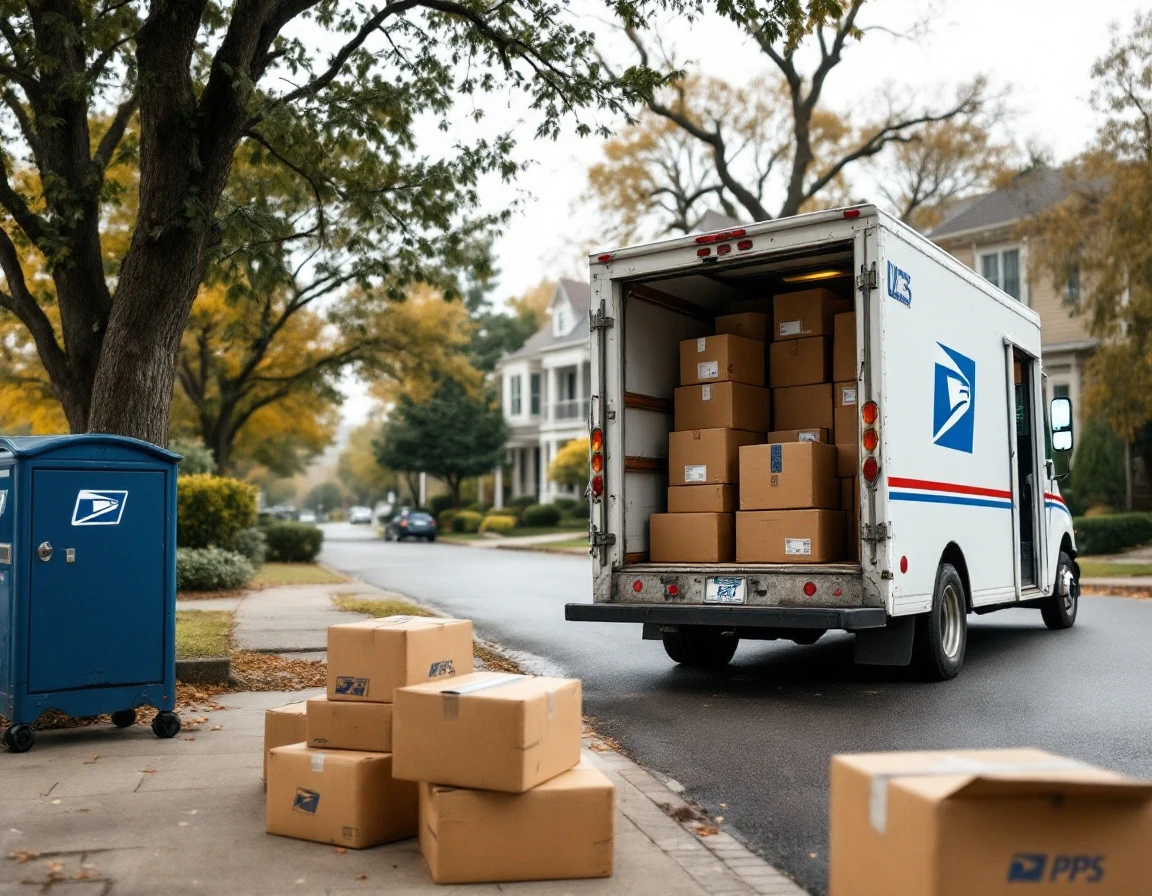
Common USPS Overcharge Patterns
Four billing errors appeared repeatedly across USPS invoices after July 2024:
- Zone miscalculation: a shipment from New York to Pennsylvania billed at Zone 5 instead of Zone 3, inflating the charge from $8.45 to $10.20—a $1.75 overcharge per package
- Service level confusion: First-Class Package items weighing 11 ounces appeared on invoices as Priority Mail, turning a $4.50 charge into $8.70
- Weight rounding errors: a 13-ounce parcel billed at the 1-pound rate instead of staying in the flat envelope category, adding $2.30 per shipment
- Surcharge stacking: fuel surcharges applied to packages already exempt under contract terms, padding invoices measurably per affected line
Each error stems from either delayed rate-table updates in USPS billing systems. Manual entry mistakes at counter acceptance points, or software misreading service codes during manifest uploads.

USPS July Rate Increase Recovery & Dispute Process
Once you've identified an overcharge from the USPS July rate increase, you have 30 days from the invoice date to file a formal dispute with USPS. Gather three pieces of documentation before you submit: a copy of the original invoice showing the charge in question, the official USPS rate card entry for that service type and zone, and a calculation spreadsheet that shows the correct rate versus what you were billed.
Submit the dispute through your local Postmaster if you're a retail shipper, or directly to your national account manager if you ship in volume. USPS typically responds within 15 to 45 days. In your dispute letter, request a specific remedy—either an account credit or a refund check—because some resolutions default to credit only.
If your first dispute is denied or ignored, escalate through USPS's formal appeals process. Common rejection reasons include missing documentation or filing past the 30-day window, both of which are avoidable with prompt invoice review after each rate change.
Three Preventive Controls for Future Increases
Auditing past invoices recovers money already lost, but preventing the next round of overcharges requires a forward-looking system. Three specific controls catch rate errors before they compound across hundreds of shipments, turning the audit exercise into continuous protection against shipping cost increases from rate hikes.
- Monthly rate card audits compare every invoice line item to current USPS rates automatically. When the carrier updates pricing, your system should too — checking that July 12 charges match the new rate card, not the old one. Manual spot-checks work for low volume; high-volume shippers need software that flags mismatches in real time.
- Software integration verification confirms your third-party platform updated its rate tables on the exact date USPS changed them. If your shipping software still calculates postage using June rates in mid-July, every label prints money you shouldn't be spending. Ask your platform provider to document the update date and audit a sample batch.
- Threshold alerts flag any package charge exceeding expected cost by ten percent or more for manual review. A Priority Mail package that should cost eight dollars but rings up at nine triggers investigation before the invoice closes. PatrolPuffin runs these three controls on every shipment, catching billing drift the day it starts. See what our reconciliation engine finds in your invoices.
Recovery Checklist & Next Steps
Begin by exporting all shipments from July 1–31, 2024, and applying the audit framework outlined above. Compare each line item against the official USPS rate card for service type, zone, and weight, then document every discrepancy with invoice numbers and tracking details. This process helps you recover overpayment from the USPS price increase period.
Calculate the total overcharge amount across all flagged shipments. Most audits uncover $200–$800 in recoverable overcharges from rate-increase errors.
Submit your dispute to your Postmaster or account manager with supporting invoices and rate card references attached.
Monitor your account for credits over the next 60 days. If resolution stalls, follow up with the documentation you filed. Once recovery is complete, set up continuous monitoring—monthly rate card audits and threshold alerts—to prevent future billing surprises from compounding across hundreds of shipments.